
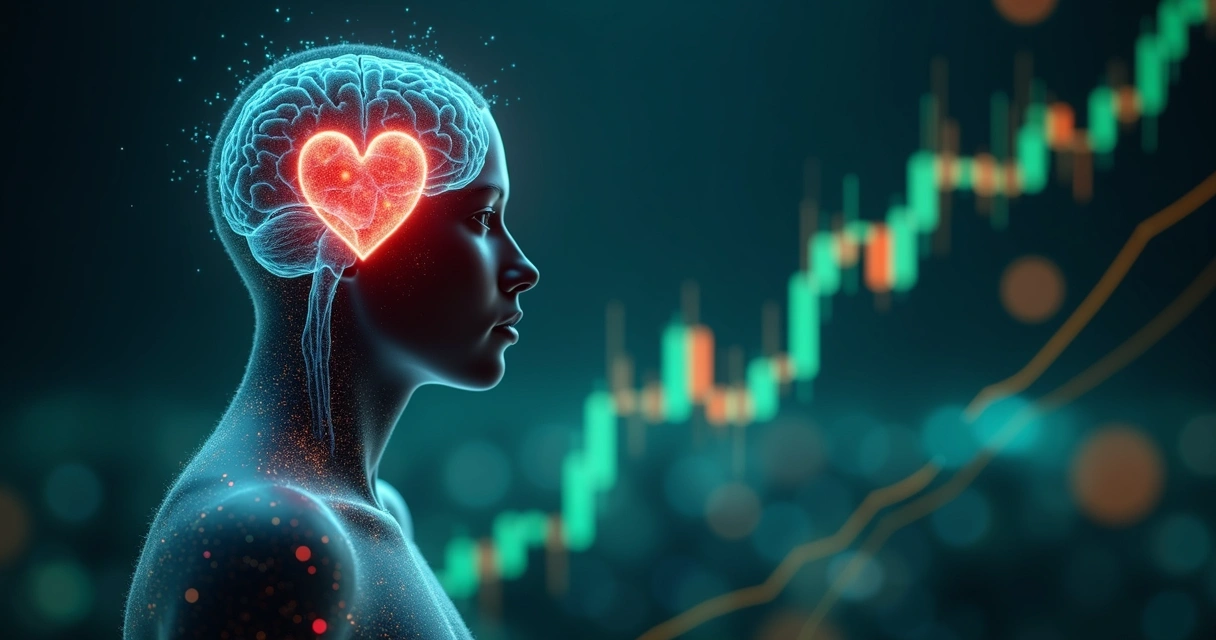
When we think about economic systems, our minds usually default to numbers: GDP, inflation rates, unemployment figures, and stock indexes. Yet, the real drama often happens in a quieter, less visible place—the collective and individual emotions that drive these numbers. We’ve seen time and again how consumer confidence, anxiety, hope, or fear can change the course of markets and communities. Still, most conversations brush past these emotional undercurrents, as if they are only background noise rather than a powerful force.
The hidden power of emotion: beyond numbers and data
If you’ve ever wondered why a robust economy can feel so unstable for ordinary people, or why markets soar on optimism and crash on fear, you’re not alone. Many professionals and everyday observers miss what’s right in front of us: Emotions are not separate from economics—they are one of its core engines.
In our experience, we’ve watched consumer sentiment hit historic lows despite reassuring news about GDP and unemployment. For example, consumer mood remained stubbornly downbeat even when economic indicators looked strong. This disconnect reveals a simple fact—emotions rewrite the economic narrative, sometimes faster than any facts could.
Emotions shift before numbers do.
What do we actually know about emotions and economics?
Recent research has made it clear: We can no longer treat economic actors as cold rational calculators. Instead, national and global trends reflect a web of collective moods that shape and reshape our choices. In a large study with over 77,000 people from 74 countries, scientists found that positive emotions make people more likely to take favorable risks and wait for bigger rewards. The effect was more visible in developed, individualistic societies, suggesting that how we feel isn’t just a personal matter—it’s also cultural.
Let’s put this in concrete terms. People who feel optimistic are likelier to try new ventures, invest, or innovate. People burdened by fear, disappointment, or stress often shrink away from opportunities or even from everyday spending.
Why emotions tilt entire economies
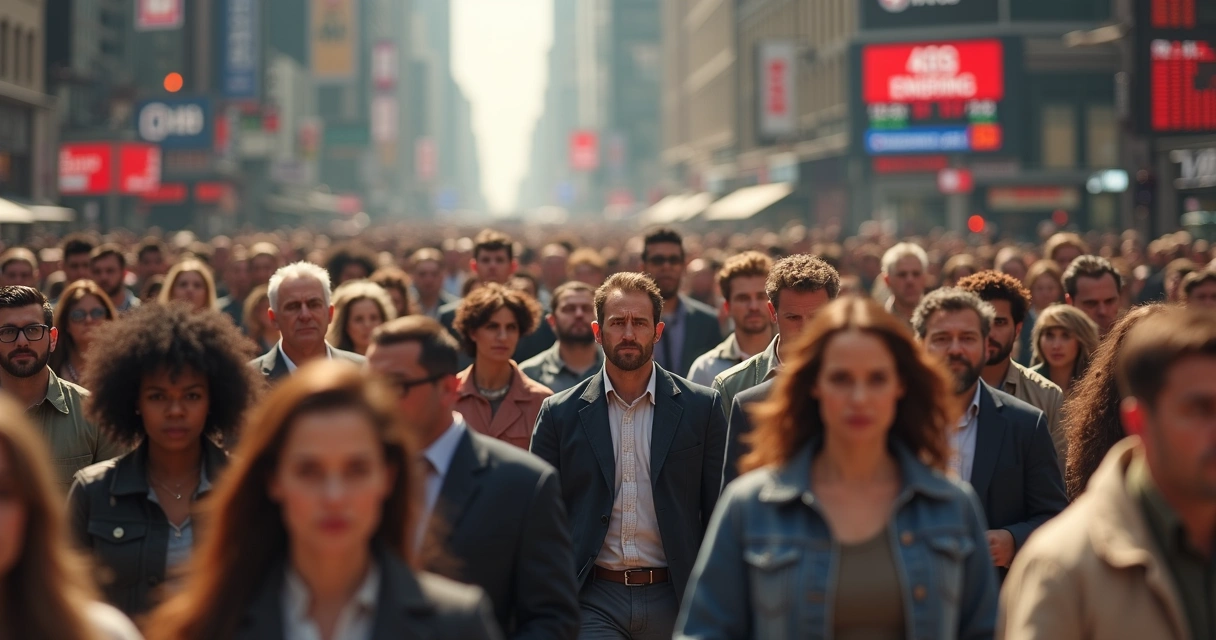
In several moments of recent history, from global recessions to rapid recoveries, we’ve seen that one emotion—like fear—can grip whole societies. The economic results can be sudden and deep. Think about August 2021, when consumer confidence dropped by over 13% in a single month due to inflation fears and dashed hopes about the pandemic ending. This swing happened even while wages and jobs were slowly improving.
- Anxious populations cut back spending, triggering slowdowns in retail, travel, and services.
- When hope returns, people are more willing to invest, spend, and pursue goals they’d set aside.
- Unpredictable spikes in emotional stress—such as after a crisis—change the rhythm of entire economies. Global reports show that daily stress levels have steadily risen, peaking during crises.
Individual emotions combine into a massive, invisible tide. Even the smallest ripple—a public statement, a viral news story, or political shift—can change the level of trust in the economy.
Emotional energy as a currency
We’ve come to see emotional energy as a kind of soft currency within economic systems. Confidence, trust, and optimism function as the “liquidity” of the emotional economy. When these run high, innovation and investment feel safer. When they dry up, even healthy markets can grind to a halt.
This is not only about consumer behavior. Entrepreneurs, managers, policy makers—all respond to and generate the prevailing emotional climate. Moments of shared optimism speed up idea-sharing and risk-taking, while widespread anxiety slows decision-making, planning, and growth.
What keeps us from seeing the emotional side?
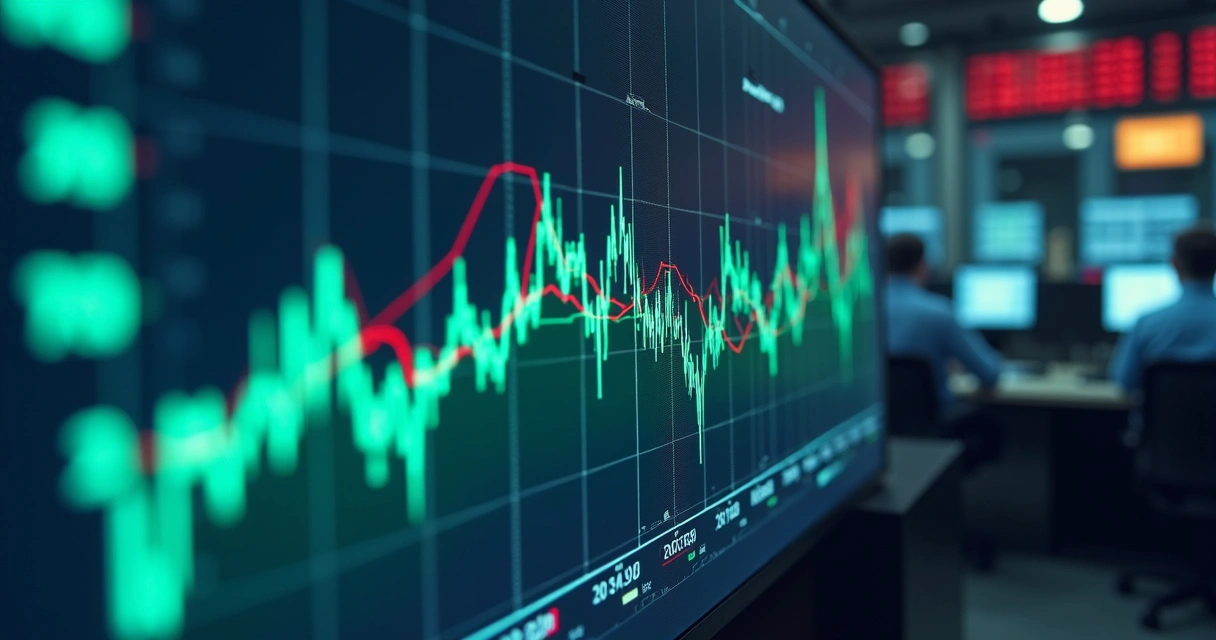
Most economics courses, news reports, and business meetings fixate on logic and rational analysis. It’s tempting to ignore emotion because it feels subjective or unreliable. Yet, the lived reality points in another direction.
Our own decisions—even the smallest ones—are deeply tied to how we feel about the world on a given day. If your trust in the future crumbles, will you book that vacation or delay a purchase? If you hear hopeful talk among friends or leaders, does your willingness to take a risk nudge upward?
Surveys have shown that in periods of collective worry, people’s willingness to wait for delayed rewards drops. Uncertainty eats away at our appetite for long-term planning.
The emotional climate doesn’t just describe the mood. It changes the outcome.
The actual impact: how emotions ripple outward
Let’s trace the ripple effect. When emotional stress rises across a population, markets, governments, and even whole industries respond:
- Business leaders hesitate, choosing to wait before making investments or hiring decisions.
- Employees, sensing instability, become less innovative or less loyal to their organizations.
- Consumers’ low mood translates into weaker demand, which eventually results in layoffs, closures, and underperformance.
- Policy makers, feeling social pressure, may adopt reactive rather than proactive strategies.
More importantly, these effects can continue long after the initial emotional wave has passed, shaping the recovery trajectory or even deepening a crisis.
Bringing emotional intelligence into economic thinking
This is not just a call for more empathy or self-awareness—though those matter. It’s about recognizing emotion as a lasting force in systems that affect us all. If our attention stays only on numbers, we miss how feelings steer behavior and outcomes on a large scale.
In our experience, decision makers who track and respond to collective emotions more quickly are able to spot risks, find new opportunities, and nurture trust. They speak to real needs and adapt not just to conditions, but to the underlying mood.
The more we listen to the emotional rhythm, the more prepared we become.
Conclusion
Emotions shape economic systems in ways that hard numbers can’t always predict. By paying closer attention to emotional signals, from rising anxiety to genuine hope, we get a clearer understanding of what moves markets, shifts cultures, and sparks change.
Numbers are important, but the full story lives in the hidden currents of feeling. When we start to see emotions not as noise, but as signals, we become more sensitive to the real dynamics that power economies—and more able to respond thoughtfully. In a world that often prizes reason, it’s the emotional pulse that often decides what happens next.
Frequently asked questions
What are emotions in economic systems?
Emotions in economic systems are the feelings and moods, such as confidence, fear, optimism, and anger, that influence how people make decisions in spending, investing, saving, or expanding businesses. These emotions affect individuals, companies, and even government responses, creating cycles of growth or slowdown.
How do emotions impact economic decisions?
Emotions often drive decision-making more than pure logic. For example, optimism can encourage greater investment and exploration of new markets, while fear or stress might lead to saving rather than spending. Research on global emotional trends shows that during high-stress periods, collective willingness to take risks or invest drops sharply, altering economic outcomes.
Why do economists overlook emotions?
Economic theories have traditionally emphasized rationality, numbers, and measurable data, believing that objective factors determine choices. Because emotions can be unpredictable and difficult to quantify, they’re often sidelined or considered “unscientific.” Yet mounting evidence shows they are central rather than peripheral.
Can emotions cause market fluctuations?
Yes, emotions can trigger sudden market swings. When large groups experience fear, hope, or uncertainty at the same time—due to news, leadership changes, or crises—markets can rise or fall quickly. Sharp drops in consumer confidence, like the notable 13.4% plunge in August 2021, powerfully illustrate this effect.
How to measure emotions in economics?
Measuring emotions requires both direct and indirect methods. Surveys on consumer confidence, sentiment indices, stress level polls, and analysis of social media trends all offer clues. Studies of national and global responses to events—such as changes in willingness to wait for rewards or take risks—also contribute to this measurement, as seen in large multinational research efforts.