

We have all been taught to measure value with numbers. Numbers bring a sense of order. Clear, definite, almost scientific. But is value only found in charts, balance sheets, and performance graphs? Or is it something deeper—something essentially human, invisible, yet profoundly felt?
Understanding traditional metrics
Traditional metrics have ruled organizations, policies, and economies. When we want to know how a company is performing, or if a nation is prospering, these are the numbers we turn to:
- Financial indicators: profit, revenue, ROI
- Productivity ratios: units produced per hour, sales per employee
- Market statistics: share price, market share, growth rate
- Risk metrics: incident rates, safety statistics
These numbers seem to offer clarity. They make results visible and comparable. If profit goes up, things must be going well. If risks are statistically low, we’re supposed to feel reassured. But our experience tells us there are stories behind every number.
Not all value can fit in a spreadsheet.
What is human valuation?
Human valuation is about recognizing and measuring worth through the lens of human experience, dignity, relationships, and impact. It's an approach that considers:
- Emotional well-being: satisfaction, joy, security, and trust
- Ethical integrity: fairness, transparency, honesty
- Social contribution: community impact, relationships, shared prosperity
- Systemic responsibility: long-term effects on people, society, and the planet
This perspective asks not just "what did we produce?" but also "how did we produce it, and with what consequences for people and their world?" In discussions about the Value of a Statistical Life (VSL), for example, researchers acknowledge that human life and well-being have been assigned monetary values to guide policies. Still, these are always context-specific and never truly capture the full scope of what life means.
The limits of numbers alone
When we rely on traditional metrics, it is easy to leave out the things that really drive human progress. Numbers can show performance, but rarely do they reveal mental health, personal growth, or the deeper bonds of trust within a team. Metrics may count resources, but they do not account for the invisible glue that holds groups together. Ask anyone who has seen a company make record profits while staff morale collapses. The warning signs were not in the numbers—they were in the people.
Taken out of human context, metrics can even drive harmful choices. A system aiming for lower costs might reduce staff or cut safety budgets, valuing "efficiency" over well-being. We have seen, time and again, how purely numerical evaluations miss the heart of the matter.
The most significant results are often the hardest to measure.
Blending metrics and human valuation
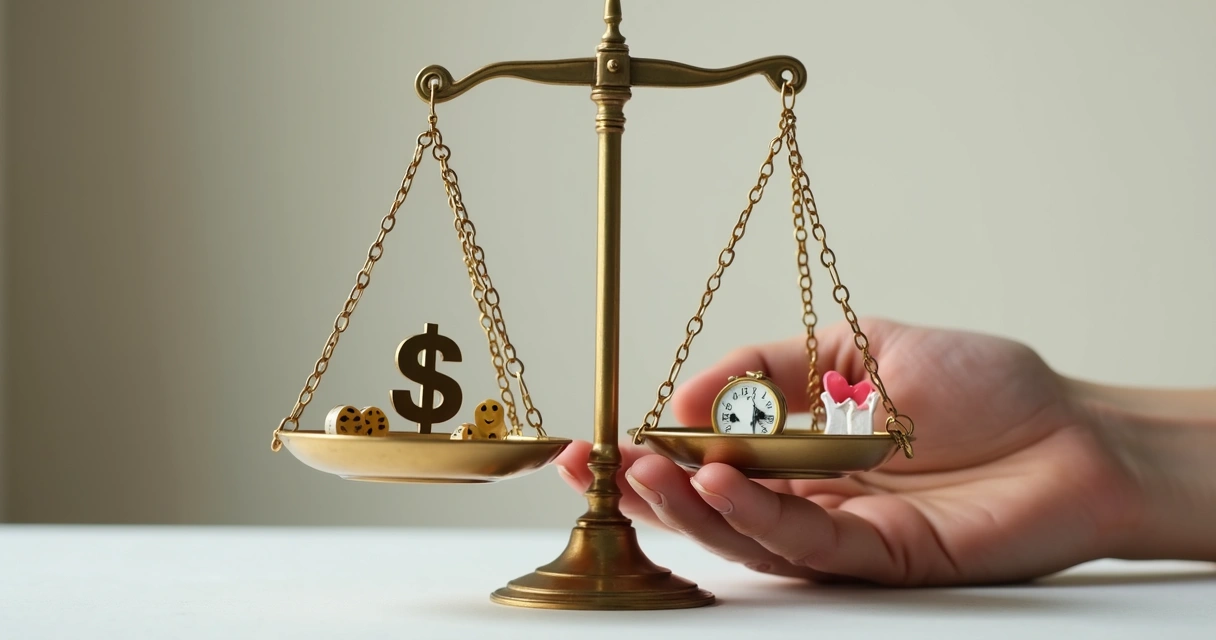
We believe the answer lies not in discarding numbers, but in balancing them. Metrics matter—they provide structure and allow for assessment. But if we stop at numbers, we lose sight of what truly matters. Human valuation brings meaning to the numbers, showing us not just how much, but also how well and for whom.
Recent research in psychology shows that combining different human value models leads to better results than relying on a single framework. By integrating traditional performance data with qualitative insights—such as trust, sense of purpose, and collective well-being—we can make decisions that serve both immediate outcomes and lasting social benefit.

When numbers miss the bigger picture
Numbers can obscure the value of qualities that matter most to us. Take, for example, the societal value of life and altruism. A 2021 systematic review found that the estimated value of a statistical life (VSL) varies widely, depending on the context—between health, labor, and transportation sectors (systematic review estimating the Value of a Statistical Life). Still, life is priceless to families, friends, and communities. Moreover, a recent article shows that including altruism can multiply the calculated value of life several times, reflecting society’s deeper commitment to shared well-being.
Such findings highlight a powerful reality: We often care not just about our own safety and performance, but also about the well-being of others. In practice, this means:
- Organizations guided by ethical values earn more trust and loyalty
- Communities that promote kindness and inclusion prosper more sustainably
- Leaders who measure their impact by people’s growth, not just profits, leave a lasting legacy
How can we measure what truly matters?
While some things will never fit into charts, we can still strive to include human value in our formal measurement systems. In our journey, we have found a few practical ways to do this:
- Feedback loops: Regularly ask individuals how they feel, what they need, and if they feel heard or valued
- Behavioral indicators: Observe changes in collaboration, creativity, and resilience during change
- Storytelling: Collect stories of impact, growth, and challenge, then look for patterns
- Ethical audits: Review not just compliance, but alignment with values and social commitments
In our experience, using these methods alongside traditional metrics gives a better picture of both present performance and future potential. Numbers show the score, but human valuation reveals the spirit behind the results.
True value is what helps people, now and in the future, to flourish.
From measurement to meaning
Looking back, we have learned that:
- Traditional metrics offer structure and a way to compare progress
- Human valuation adds the missing layer of meaning, impact, and care
- The two together help us shape healthier societies, better organizations, and richer, fuller lives
The real test of any measure is its ability to track not just our output, but our contribution to human growth and collective well-being.
If we measure only what is easy, we miss what matters. If we value the invisible as much as the visible, we open the door to progress that includes us all.
Conclusion
In our journey, we have seen that the question is not whether to use traditional metrics or human valuation, but how to bring them together. We encourage everyone, from leaders to community builders, to balance both. Only then can we answer the deeper question: What truly matters? The answer, we believe, lies in the everyday choices we make and the values we choose to honor—one decision, one relationship, one life at a time.
Frequently asked questions
What is human valuation in business?
Human valuation in business means assessing worth beyond profits and numbers, focusing on well-being, ethical actions, relationships, and the positive impact a business has on its people and community. It asks whether people feel valued, whether processes align with core values, and how decisions affect long-term human growth.
How do traditional metrics differ from valuation?
Traditional metrics are quantitative indicators like profit, revenue, and market share, designed to track measurable performance. Human valuation, on the other hand, is about qualitative factors such as well-being, ethical standards, and social responsibility, which capture dimensions of value that numbers alone cannot express.
Is human valuation more important than metrics?
Both matter, but human valuation often reveals what makes results meaningful and sustainable. When taken together, metrics and human valuation can guide better decisions that serve people and organizations over the long run.
How can I measure what truly matters?
Start by adding methods that highlight human value: feedback surveys, open conversations, values-based evaluations, and reviews of how decisions affect others. Combine these with your current metrics for a more complete picture of progress and purpose.
Should I rely only on traditional metrics?
No, relying only on traditional metrics may leave out the most meaningful aspects of value. Integrating human valuation helps create a more balanced and impactful understanding of true success.