

Ethics has always been at the center of business conversations, but for a long time, it seemed like a subject too abstract to measure. We have all seen codes of conduct, mission statements, and shiny value plaques in office lobbies. Still, how can we know if a company is truly ethical, not just in its statements but in its daily practices and decisions? With growing awareness around the impact of companies on society, measuring business ethics has become not only desirable but necessary.
Why companies want to measure ethics
Trust is one of the main reasons. Clients, investors, and employees expect transparency and responsibility. If we cannot show how ethical our actions are, trust fades and opportunities slip away. But there’s something deeper. We want our organizations to be a force for good, and to do this, we need more than promises. We need clear ways to understand where we stand and where we can improve.
Every decision made internally leaves a mark outside. Rules and policies can guide behavior, but real ethics show up in how conflicts are handled, how teams are supported, and how external partners are treated. Being able to measure ethics gives us a map, not just a compass.
Ethics is not about intentions alone; it’s about actions and impacts.
The challenge: Is ethics truly measurable?
Can we really put numbers on complex issues like fairness, honesty, and social justice? This question makes many company leaders nervous. After all, what if our good intentions don’t add up to real results?
We understand those doubts. Measuring ethics is not about reducing people to numbers or ignoring the richness of human behavior. Instead, it’s about finding practical ways to track progress, reveal gaps, and help everyone align with shared values.
- Clear metrics make it easier to reward ethical behavior.
- Measurement helps prevent problems before they turn into scandals.
- It unlocks honest conversations about what we stand for.
Ethics becomes measurable when we look for patterns in real behavior, not just stated beliefs.
What does it mean to measure ethics?
Measuring ethics means tracking attitudes, actions, and results that reflect a set of values. It means translating “doing the right thing” into habits, policies, and choices that can be observed and evaluated.
To make this possible, we must first define what ethical behavior looks like in our context. Not every company operates in the same culture, sector, or part of the world, so measures need to be precise and relevant.

We think ethical measurement must go beyond ticking boxes. It is not just about compliance but about creating a culture where everyone feels responsible for the impact of their actions.
Examples of ethical metrics
Over the past decade, conscious companies have used several approaches to make ethics visible:
- Anonymous surveys on workplace satisfaction and perceived fairness
- Tracking internal complaints and whistleblowing outcomes
- Measuring the diversity and inclusion of leadership and teams
- Supplier audits for environmental and social responsibility
- Public reporting on social impact and sustainability goals
- Evaluating leadership based on integrity and transparency
True ethical measurement connects results to the intentions and principles behind actions, not just the actions themselves.
New tools and ideas for conscious companies
Modern ethical measurement involves creative and practical methods. It requires companies to listen carefully, reflect honestly, and involve everyone in the process. Methods are becoming more precise, but they remain human at heart.
Behavior-based measurement
Surveys and feedback forms are just the beginning. Recent approaches include:
- 360° reviews focusing on ethical conduct and decision-making
- Peer recognition systems where employees nominate others for ethical actions
- Case studies shared in internal meetings that highlight ethical dilemmas and lessons learned
- Integrating ethical questions into performance reviews and goal setting
These approaches give us a living picture of how ethical values show up in daily work.
Technology and ethics dashboards
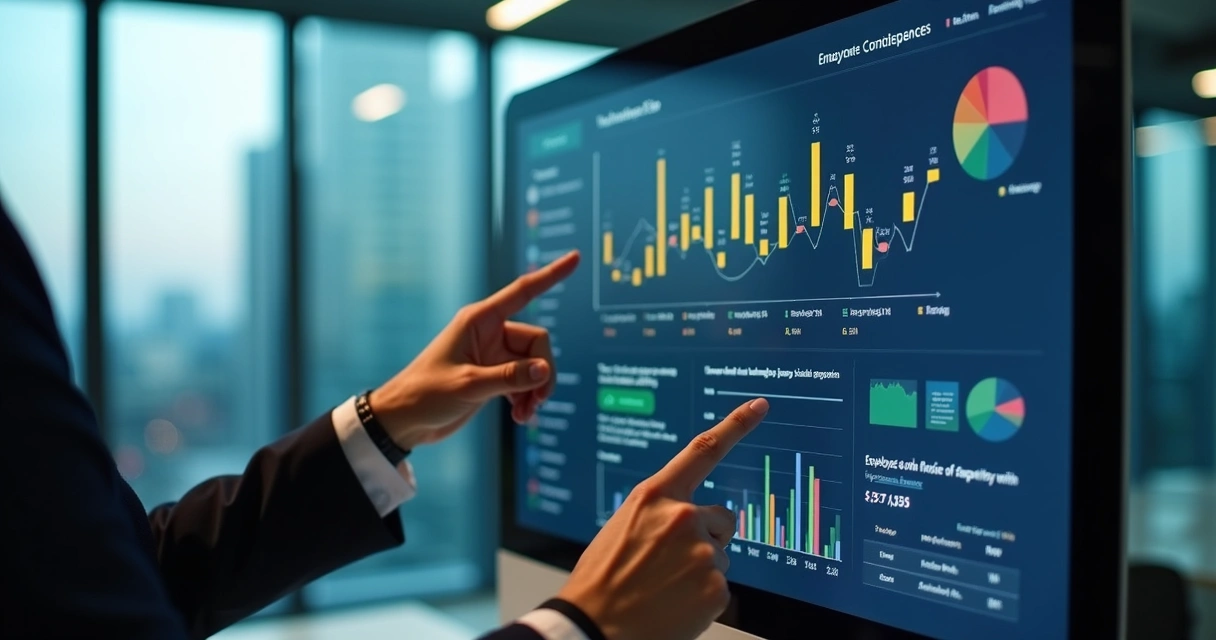
Some companies are experimenting with ethics dashboards. These systems gather information from many sources: complaints, feedback, audits, even social media. The goal? Spotting patterns early and making accountability visible at all levels. While technology helps track data, it’s up to humans to interpret and act on it with sensitivity.
Storytelling as a form of measurement
Numbers don’t tell the whole story. We have learned that encouraging employees to share stories about ethical and unethical situations creates space for honesty. These stories bring depth to the data and give leaders a better sense of what is working, and what is not.
Stories can reveal what numbers miss.
By blending qualitative and quantitative feedback, we build a richer, more accurate view of ethics in action.
How measurement changes culture
As we bring new approaches into our organizations, we notice important shifts. People start to see that ethics is not a “top-down” demand, but something everyone shapes together.
- Measurement creates clearer expectations.
- It lets people celebrate ethical wins and learn from failures.
- It shifts the focus from avoiding mistakes to fostering growth and honesty.
Making ethics measurable makes it real: it creates accountability, trust, and motivation to keep improving.
Limits and risks of measuring ethics
No system is perfect. Metrics can sometimes be gamed, misunderstood, or even used to hide real problems. If we focus on numbers alone, we risk missing real issues. So, every metric needs regular review and conversation.
We believe the most meaningful metrics are those made in collaboration with teams and that allow room for feedback. It’s okay if we don’t get it right at first. Measuring ethics is a living process, not a checklist.
Measure what matters, but keep asking why it matters.
Conclusion
As expectations rise, companies no longer have the luxury of treating ethics as a side issue. We must find new ways to make ethical impact visible, practical, and measurable. This does not mean oversimplifying complex questions but committing to transparency and growth.
By taking measurement seriously and using creative, people-centered methods, any company can foster a more conscious culture. The metrics we choose, and how we talk about them, can build trust, attract those who share our values, and shape more balanced decisions. In our view, making ethics measurable is not just possible, it’s necessary for anyone who wants to make a positive impact, both in business and in society.
Frequently asked questions
What is measurable ethics?
Measurable ethics refers to the process of using tools, surveys, observations, and data to track how well a person or organization aligns actions with shared ethical standards. It transforms broad values into concrete indicators that can be observed, reported, and discussed within the business.
How do companies measure ethics?
Companies use a blend of surveys, audits, peer feedback, case reviews, and reporting systems to measure ethics. Some also use digital dashboards and other technology to gather data. Measurement often focuses on behaviors, not just written policies, so real-life stories and outcomes are just as valuable as numbers.
Why is ethics important in business?
Ethics builds trust, shapes reputation, and drives relationships with clients, employees, and partners. When companies act ethically, they help prevent conflicts, support social well-being, and create an environment where people want to contribute and stay.
What are ethical measurement tools?
Ethical measurement tools include anonymous employee surveys, whistleblowing channels, audits, scorecards, and qualitative feedback methods like interviews and storytelling sessions. These tools can help monitor how well organizational practices reflect ethical principles in daily work.
Can ethics improve company performance?
Yes, strong ethics can improve company performance. When teams feel respected and aligned with the company’s values, motivation goes up, and risks go down. Trust inside and outside the company grows, which often leads to better business results over time.