Unconscious bias shapes the world around us, often more than we realize. Our mind is always sorting information, making fast decisions, forming ideas—most of it beneath the surface. While this can help us move through everyday life, there is another side. These hidden biases can also quietly influence who gets included, who is left behind, and how society as a whole grows or struggles.
What is unconscious bias?
Unconscious bias is the collection of attitudes and stereotypes that affect our understanding, actions, and decisions without us even realizing it. We all carry them—no matter how fair-minded we try to be. Sometimes it’s a quick assumption about someone’s abilities based on their background, a snap judgment about leadership potential, or a preference that feels like instinct but comes from old cultural patterns.
Unconscious bias hides behind good intentions.
We might think we’re impartial, but over the years, we’ve seen those hidden preferences guide decisions small and large. They show up everywhere—at work, in schools, on the streets, in policy debates, and even within families.
How unconscious bias shapes daily interactions
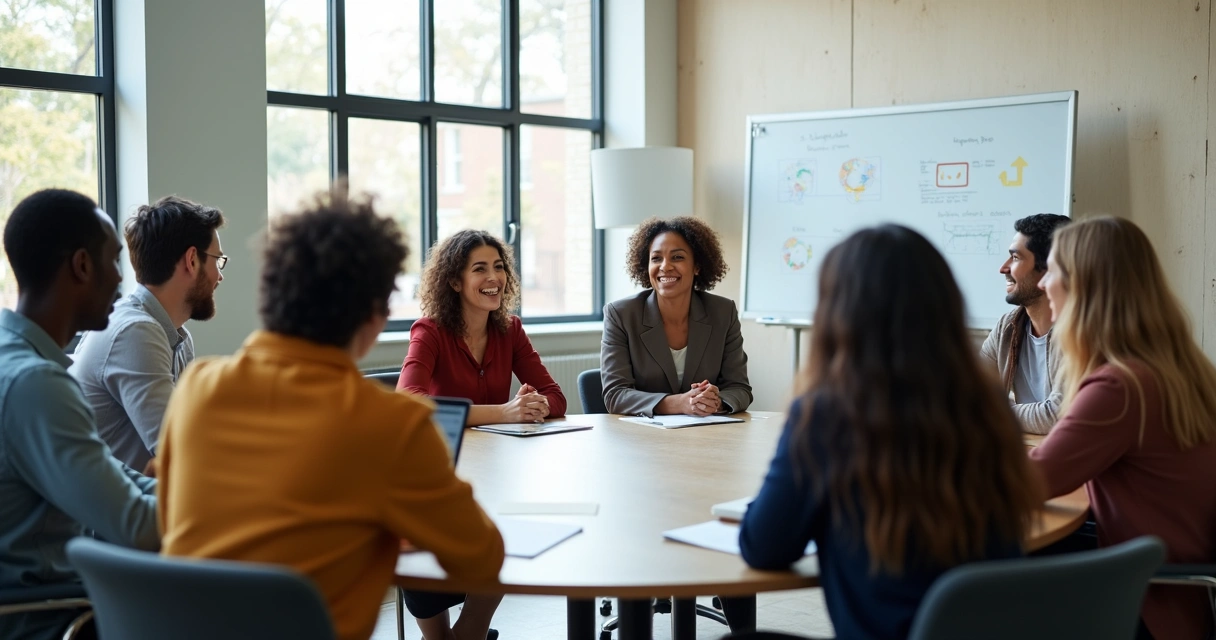
Every day, unconscious bias influences the way we connect with others. A simple meeting at work, a conversation at a community event, or a decision about who receives help—these moments are shaped by our inner filters. These biases can affect:
- Who we trust
- Who we choose to include or exclude
- The opportunities we offer or withhold
- How we interpret someone’s emotions or ideas
- Whose voices we hear
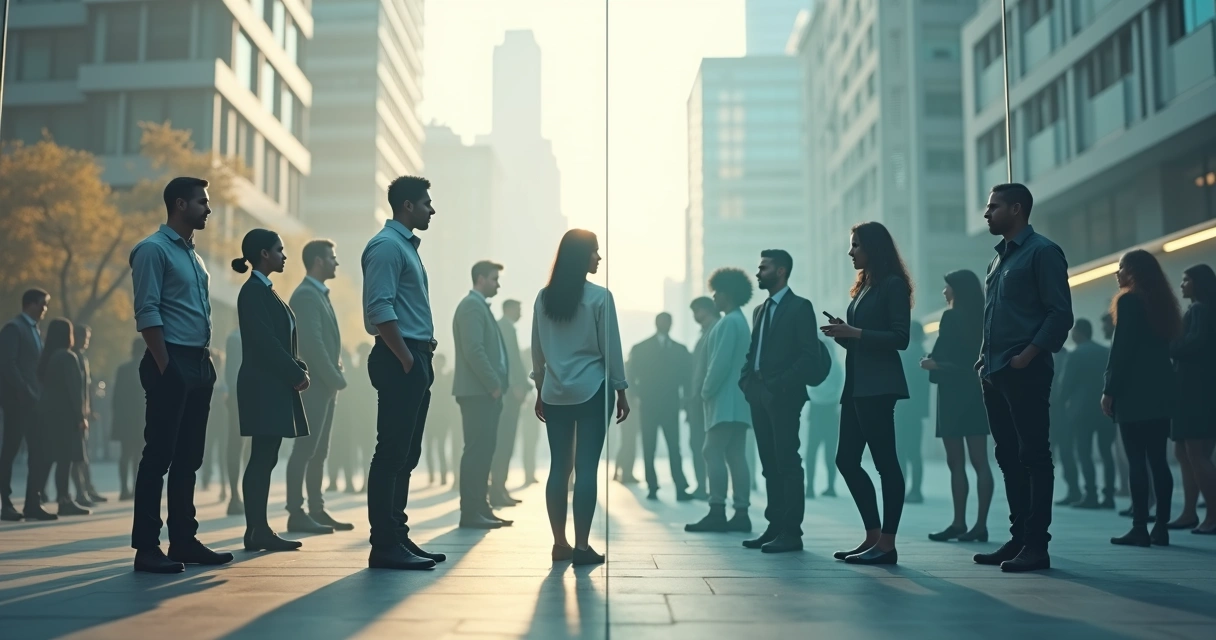
This isn’t always obvious. Many times, it’s a look, a pause, an overlooked suggestion, or a missed invitation. Over time, these little things add up.
The ripple effect: Small biases, big impacts
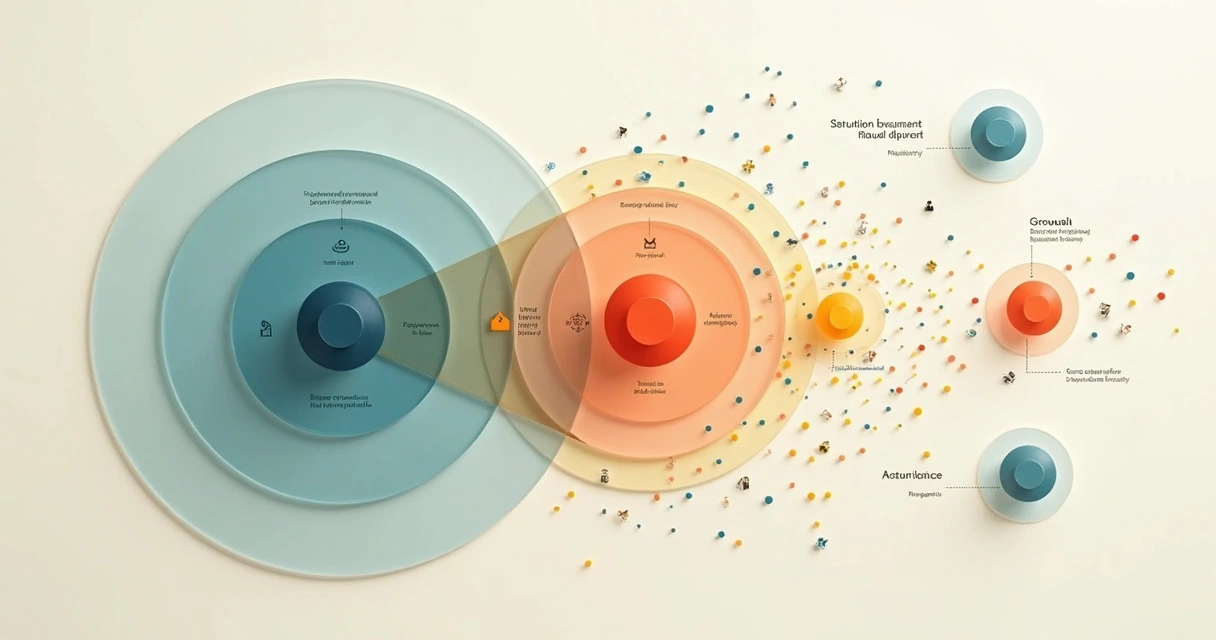
Unconscious bias doesn’t only affect individuals. When it shows up in many people at once, it changes the systems we all live within.
Unconscious bias can lead to unequal distribution of resources, missed talent, and a culture where certain groups quietly hold less influence or opportunity.
Here’s where the collective impact becomes clear. When leaders trust only the familiar, organizations struggle to change. If schools steer certain students toward specific tracks, they may lose out on developing all forms of talent. Whenever services are planned from one narrow viewpoint, whole communities can get neglected.
This ripple grows over time. What starts as a brief moment of bias can grow into a pattern, and ultimately, into outcomes that shape who thrives and who struggles.
From personal to societal responsibility
It’s easy to think of bias as an individual issue, something for each person to fix on their own. Yet, from our experience, the real challenge—and the promise—comes when we address bias together, both personally and as groups.
We’ve seen that when unconscious bias is left alone, it grows stronger. But when we decide to recognize it, talk about it openly, and commit to new habits, change follows.
We can only shift society by shifting our own awareness.
How unconscious bias affects social impact
Unconscious bias can quietly undo efforts toward equality, justice, and positive change, even when intentions are good.
Let’s look at some ways this happens in practice:
- Resource allocation: Funding and support may unintentionally flow to the familiar, while innovative ideas from less represented groups struggle for attention.
- Leadership selection: Bias can guide who is seen as a “natural leader,” limiting diversity in top positions and in decision-making rooms.
- Policy-making: Rules and guidelines may subtly reflect the worldviews of those in power, overlooking the needs and perspectives of other groups.
- Community support: People facing bias may hesitate to speak up or engage, knowing that their contributions are less likely to be heard or valued.
As these patterns take hold, the impact grows. Before long, we see groups that are systemically underrepresented. We see voices ignored in conversations about the future. Energy and inspiration are lost when not everyone gets the same chance to participate.
The cost of unexamined bias
There is a real cost to letting unconscious bias remain unexamined. We have seen organizations lose both talent and trust. Communities become divided, and hope for progress dims. New ideas may get dismissed, and essential solutions stay hidden because they come from unexpected sources. Energy is spent fixing problems that could have been prevented, if only more perspectives had been heard.
Unchecked bias stops us from building truly fair and connected societies.
Raising our awareness: What can we do?
The first step is honest self-reflection. We all have blind spots, and we only find them by looking. But awareness isn’t enough. Consistent action is needed, too.
- Ask for feedback from people with different experiences
- Slow down decision-making when possible
- Question assumptions, especially when a judgment feels automatic
- Learn more about groups and cultures outside your usual circles
- Encourage open discussion about bias in groups and organizations
What we choose to notice, question, and improve can start a chain reaction. When we hold ourselves and each other accountable, the effects grow stronger.
Building systems for fairness
Beyond personal change, it’s time to review long-standing policies and everyday habits. Are hiring, training, and promotion practices fair? Does program outreach truly reach everyone? Are voices from different backgrounds valued equally when decisions are made? We see progress when honest answers lead to better systems.
When we look closer, we find ways to include more people and points of view.
Fairness grows one thoughtful decision at a time. Each moment we spot bias, we can choose a new approach. Over time, this forms cultures and systems where opportunity, respect, and yes, social impact, are more widely shared.
Conclusion
Unconscious bias is often unseen, but its impacts are wide and lasting. Awareness is the first step; action must follow. We have the power to build societies where everyone is seen and heard, but only if we face our inner filters honestly and choose paths that are open to all.
Each step we take to uncover and correct bias makes society stronger for everyone.
Frequently asked questions
What is unconscious bias in social impact?
Unconscious bias in social impact refers to hidden attitudes or stereotypes that influence decisions, often in ways that disadvantage some groups and favor others, even when the aim is to promote positive change. These biases affect who participates, whose voices are heard, and how benefits and opportunities are shared in society.
How does unconscious bias affect outcomes?
Unconscious bias affects outcomes by subtly shaping decisions and interactions, leading to unequal access to resources and opportunities. It can result in the exclusion of talent, limited diversity in leadership, and programs that don’t serve everyone fairly.
How can I reduce unconscious bias?
You can reduce unconscious bias by practicing self-reflection, seeking feedback from those with different perspectives, slowing down before making judgments, learning about people outside your usual circles, and supporting open conversations about bias in your community or workplace.
Why does unconscious bias matter?
Unconscious bias matters because it shapes social, economic, and cultural outcomes in ways that are hard to see but very persistent. If left unexamined, these biases reduce fairness and slow down the progress toward a more just and connected society.
What are examples of unconscious bias?
Examples include favoring people who are similar to yourself in job interviews, assuming someone’s abilities based on age or background, disregarding ideas from less represented groups, or neglecting to invite certain voices into discussions—all without doing so intentionally.